
Specialized service
Process automation focused on measurable outcomes
We analyze repetitive or manual business processes and take them off your team's hands.
We work with flexible solutions, from no-code tools to custom developments, to integrate automation into your day-to-day operations with minimal friction.
We are a team based in Ibi (Alicante, Spain) and we work with industrial and service companies in the province. Below are a real case and an example of how we approach an automation.
How to know if your company needs to automate processes (signs and first steps).
How much does custom software development cost? Real prices and examples.
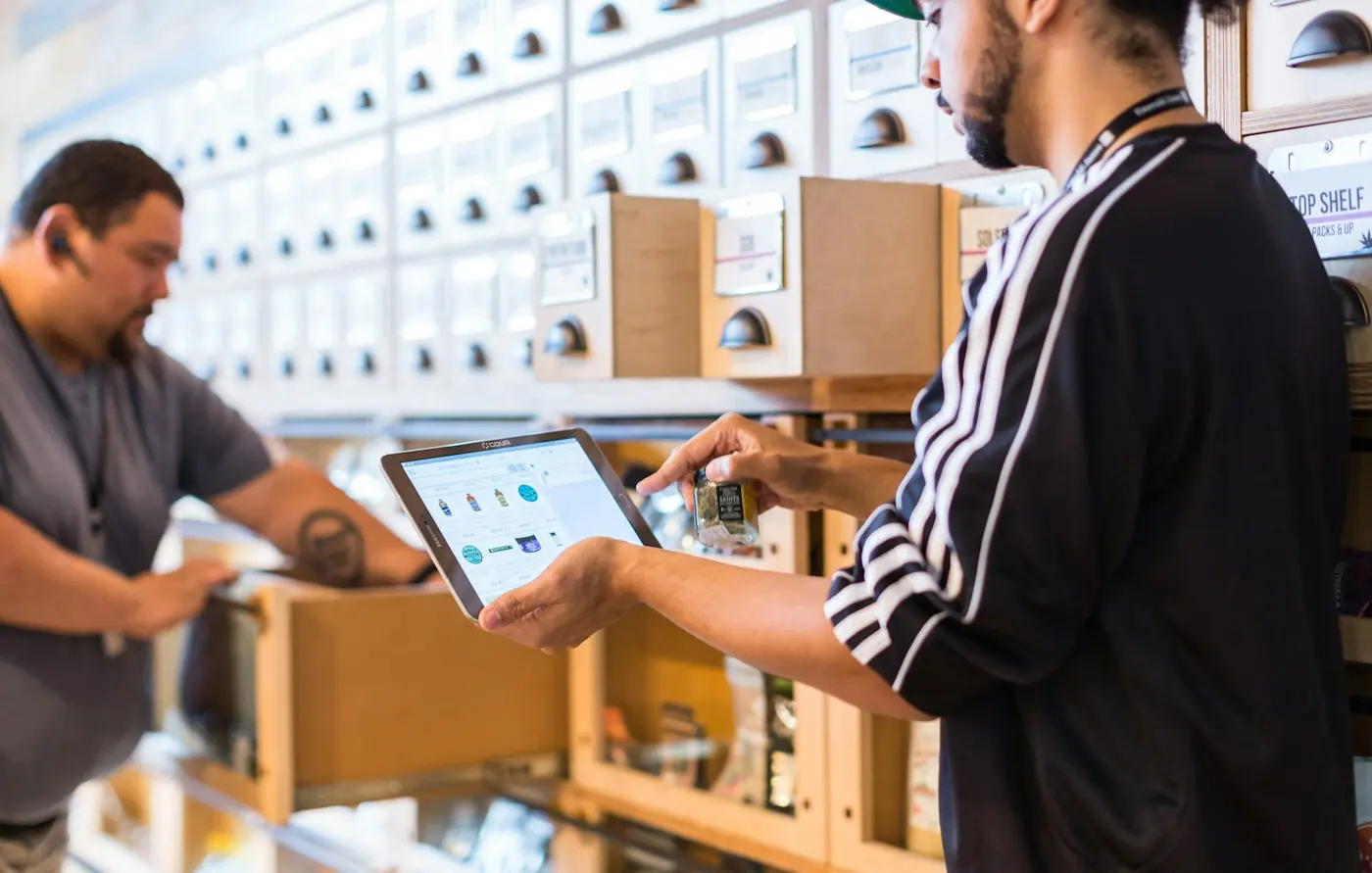
Real automation case at a company in Alicante
A project delivered by Efiprox. We do not publish the client's name; everything else is project data.
Time tracking, work orders and invoices: from paper and Excel to a digital process
- The problem
- Employee time tracking and invoices were still on custom printed paper. Many hours went into scanning documents and copying them into Excel.
- What we did
- We replaced paper with an application for time tracking, digital work orders and digital invoicing, so data is no longer scanned or copied by hand.
- Timeline
- Between one and two months.
- Outcome
- Paper was eliminated from time tracking, work orders and invoices.
- Documents are no longer scanned or copied into Excel.
- Time tracking is recorded without incidents.
- Invoices are issued sooner.
Automation example: order entry in an industrial company
This is an illustrative example of how we approach a project, not a specific client.
From an order received by email to an order created in the ERP
- Starting point
- Customer orders arrive by email as PDF or Excel files and the back office types them into the ERP one by one.
- What gets automated
- An automation reads each order, extracts references and quantities, checks them against the catalogue and creates the order in the ERP. Anything that does not match is sent to a person for review.
- What changes
- The back office stops typing orders by hand.
- Transcription errors are avoided.
- The order reaches the ERP shortly after it is received, without waiting for someone to enter it.
What we usually automate
Document management and validation
We automate document classification, reading, validation, and routing in internal processes.
Administrative and operational workflows
We reduce manual tasks in approval circuits, follow-up actions, and operations control.
Cross-platform integrations
We connect systems to avoid duplicate data entry and improve information consistency.
Automated notifications and actions
We trigger alerts, reminders, and automatic tasks based on business rules and events.
Automation methodology
Process mapping
We identify bottlenecks, repetitive tasks, and improvement points with direct impact.
Automated workflow design
We define rules, conditions, integrations, and metrics to ensure a robust flow.
Implementation and testing
We deploy automation, validate scenarios, and fine-tune behavior in real contexts.
Monitoring and optimization
We track performance and continuously improve to maintain efficiency and scalability.

Benefits of business process automation
- Reduced execution time for repetitive tasks.
- Lower manual error rates and stronger traceability.
- Teams focused on higher-value strategic tasks.
- Better coordination between areas and systems.
- Scalable growth without proportional operational cost increases.
Resources to decide with clarity
Before automating, it helps to know whether the issue is process, data, or tooling. These reads match most projects we review:
- Guide: signs your company should automate processes
- What artificial intelligence is and how to apply it in business
- How much custom software costs (ranges and drivers)
- Custom software development service
- Systems integration (ERP, CRM, and connected data)
- Time tracking app for companies
- See the full technology blog for companies
Ready to automate critical business processes?
We can define a realistic roadmap to automate with impact, control, and scalability.
Request automation proposal