Choosing a company to build software is not like buying an off-the-shelf tool. In many cases, you are trusting a project that will shape how your whole company works for years.
A bad choice can mean delays, cost overruns, features nobody uses, or a system that becomes more of a problem than a solution.
On the other hand, when you choose a team that understands your business and works with you from day one, software becomes a tool that drives growth.
So what should you look for before deciding?
Before you look for a company, make sure you know what you need
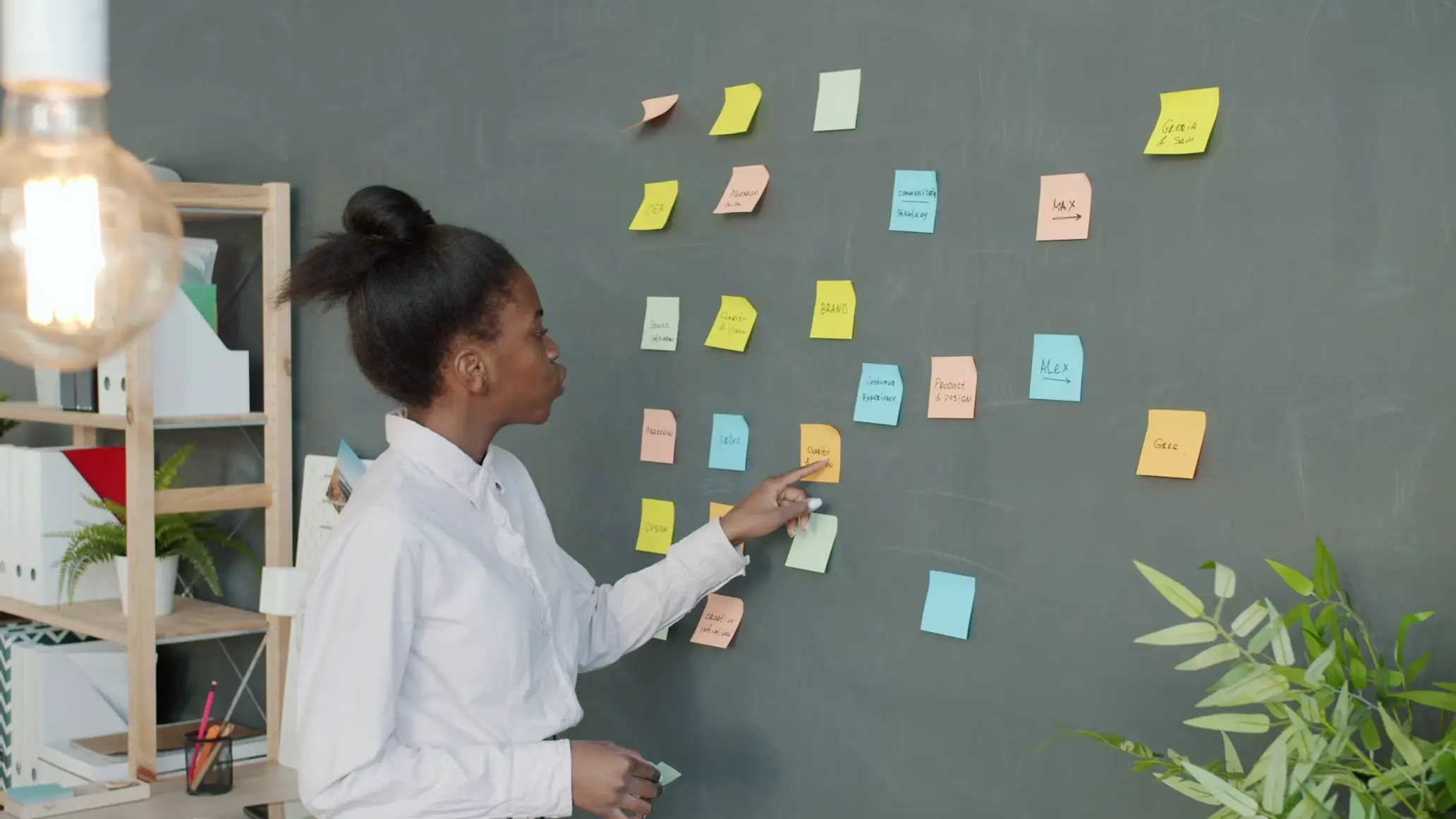
Many companies start shopping for vendors too early. They open a browser, type “software development company,” and start comparing websites, prices, and logos. Searching is fine. Searching without answering the basics first is the problem.
Before you ask for quotes, sit down —even with a coffee and a blank page— and answer questions like these:
- What problem do we actually want to solve?
- Which processes do we want to improve or stop doing by hand?
- Who will use the software every day?
- What results do we expect in six or twelve months?
You do not need the solution fully defined. You need the problem clear. If you still do not know whether you need an ERP, automation, or custom development, that is fine. Arriving with a perfect technical brief would be unusual.
If you are at that stage, it helps to read Custom software: when it is worth building a tailored solution. There you will see when building something of your own pays off… and when it does not.
A good company does not start by talking about technology
This point is gold. Many software development companies open the first meeting with: “We work with React, Node, .NET, Python, Flutter…” It sounds professional. And the client barely cares.
What should come first is different: knowing your company, understanding how you work, spotting needs, analyzing goals. Asking about day-to-day reality. About the spreadsheet nobody wants to let go. About the process only one person knows. About what happens when orders spike.
If the first meeting is more about technology than about your company, they are probably starting in the wrong place.
Technology is the how. The business is the why. A serious software development consultancy invests time in the why before selling you the how.
What you should evaluate before hiring
When you are about to hire a software company —for an app, an integration, a customized ERP, or an internal platform— these five points often decide whether a project works or gets stuck.
1. Do they understand your business?
Knowing how to code is not enough. Anyone with technical experience can ship screens. The hard part is understanding why your billing process has three exceptions, why the warehouse cannot work like an ERP tutorial, or why “that field” cannot be missing even if it looks odd from the outside.
A good application development company cares about your operations before drawing architecture. If they only talk in generic modules, they are probably fitting you into a template.
2. Do they ask you questions?
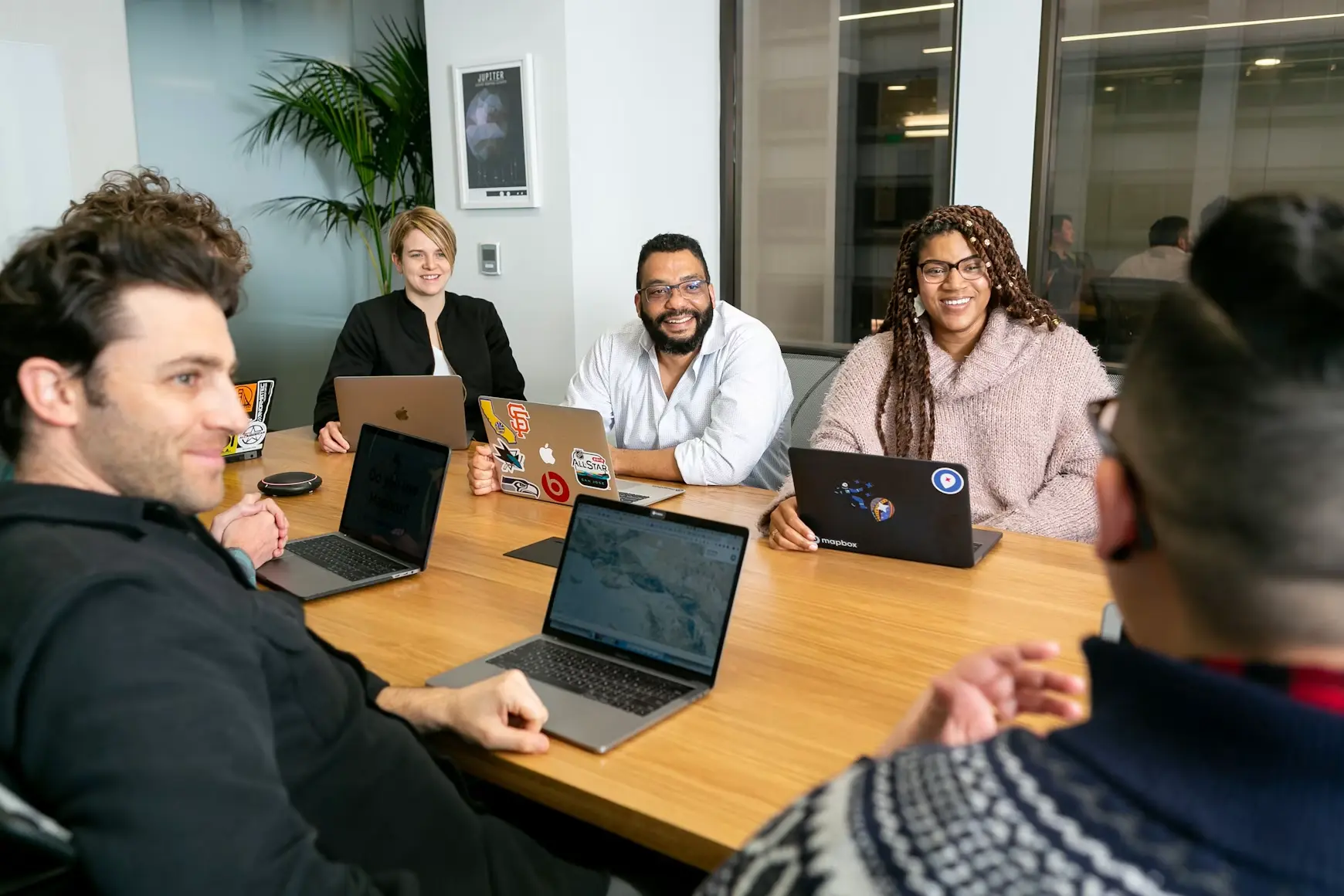
The best meetings are full of questions —not PowerPoint decks with client logos. If they listen, interrupt to clarify, ask for real examples, and come back to a detail you mentioned twenty minutes earlier… you are on the right track.
Be wary of anyone who seems to have the solution ready before understanding the problem. That often ends in software that “meets the brief” and nobody uses.
3. Do they suggest improvements?
They should not just build exactly what you ask for. Sometimes what you ask for is the workaround you invented for a poorly defined problem. A good technology partner should help improve the idea: simplify a flow, skip an unnecessary screen, suggest an integration that removes a daily step.
That does not mean saying no to everything. It means thinking with you, not only for you.
4. Do they think about the future?
Today you need one module. Tomorrow, perhaps ERP integrations, automated alerts, a management dashboard, or an AI layer on top of already organized data. A serious company talks about scalability, maintenance, and evolution without selling you the moon.
If the quote only covers “deliver and disappear,” ask what happens the day the business changes. Because the business always changes.
5. Do they explain the project clearly?
If you do not understand the proposal, you will hardly understand the project. A good team translates technical work into business decisions: what gets built first, what is out of scope, what the risks are, how validation works, and how progress is measured.
A proposal that looks copied for every client —same phases, same timelines, same tone— is usually a sign they have not listened to yours.
Warning signs worth spotting early
You do not need to be a software expert to smell trouble. These signals show up again and again in projects that later go wrong:
- A fixed quote without analyzing real needs.
- Unrealistic deadlines (“you will have everything in three weeks”).
- No talk of maintenance or what happens after delivery.
- No questions about users or how work is done today.
- No mention of integrations with what you already use.
- Everything seems too simple: zero risks, zero nuances, zero hard questions.
If a proposal looks too good and too fast, it probably is. Well-done custom software development has complexity. Denying it does not remove it —it only postpones it.
Is a large company better, or a specialized team?
There is no single answer. It depends on the project, the budget, and how you want to work.
Large companies
They often offer more resources, more structure, and more capacity for workload peaks. In exchange, there is sometimes less closeness: more layers, more contacts, more “your project is one of many.”
Specialized teams or smaller companies
They usually bring more involvement, more flexibility, and more direct communication. The risk, if the team is too small, is dependence on a few people. The upside, when the fit is right, is that you feel the project genuinely matters to them.
For many mid-sized custom software projects, a specialized team with business experience works better than a large generic consultancy. But if the scope is huge and needs many roles in parallel, size can help. What matters is not the logo size —it is whether the team serving you understands your problem and can stay with you.
What methodology should the project follow?
Forget the buzzwords for a moment. You do not need a Scrum lecture on a whiteboard to decide well. You need common sense and a clear process:
- Analysis: understand the problem, the users, and the priorities.
- Design: define how the solution should work before building blindly.
- Development: build in parts, with deliverables you can see and test.
- Validation: the people who will use the software confirm it fits.
- Improvements: adjust what day-to-day use reveals.
- Maintenance: fix, evolve, and support when the business changes.
If someone says “we will see as we go” with no minimum framework, or that everything arrives at the end in one big reveal, ask how you will know mid-way whether you are on track.
Support after development matters as much as development
This is where many companies fail. Software does not end on delivery day. Another stage begins: real incidents, improvements nobody foresaw, new features, regulation changes, a process that evolves, a user who asks for a sensible shortcut.
When you hire a company to build custom software, you are not only buying a product. You are choosing who you will talk to when something breaks on a Monday morning —or when the business grows and the system has to grow with it.
Always ask what happens after delivery. If the answer is vague, the risk is not in the code —it is in the partnership.
What if you still do not know exactly which software you need?
It is more common than it seems. Many companies arrive with a problem, not a solution. “We waste hours in spreadsheets.” “The ERP does not fit.” “We want to automate, but we do not know where to start.” That is completely normal.
In that case, do not start by choosing a vendor on price. Start by clarifying the type of solution. These articles usually help:
- ERP vs custom software: which does your company really need
- Custom software: when it is worth building a tailored solution
- How to digitize a company step by step
- AI vs automation: real differences
- What is web development
- How to implement artificial intelligence in a company
When the problem is clearer, coming back to this article —how to choose a software development company— makes much more sense. You are no longer buying smoke: you are looking for a partner for a concrete project.
How we work on these projects at Efiprox
We will not tell you we are “the best software development company.” Every project decides that. What we can share is how we work, so you can compare it with what you expect:
- We listen. We start with your business, not our tech stack.
- We analyze processes. We look at how you work today, where it hurts, and what can improve.
- We spot opportunities. Sometimes custom software is the answer. Sometimes it is not yet.
- We design the solution. With clear priorities and a scope you can understand.
- We develop. In phases, with continuous validation.
- We support rollout. Because software nobody adopts is useless.
- We evolve the software. Incidents, improvements, and business changes are part of the journey.
If you are looking for a software development company in Alicante —or a team that works with that same closeness even if you are not in the same city— this is the kind of conversation we prefer: useful, honest, and focused on deciding well.
If you are considering a project and want to decide with criteria
If you are considering building software and want to make sure you decide well, we will be glad to review your case and guide you —even if you do not have the solution defined yet.
No pressure for a closed quote on day one. Just a genuine interest in understanding what is holding you back and what would make sense next.
Decision stage
Move forward with a concrete plan
If the problem is clear and you want execution, we propose a measurable next step: audit, scope, or proposal.
Frequently asked questions
What questions should I ask before hiring a software company?
Ask how they will understand your business, who your contact will be, how progress is validated, what maintenance includes, how scope changes are handled, and what happens if the project gets stuck. If they do not ask you questions, ask them yourself.
How long does a custom software project take?
It depends on scope. A useful first module can take weeks or a few months. A full platform is built in phases. Be wary of miracle timelines without prior analysis.
How can I tell if a company has real experience?
Do not look only at a pretty portfolio. Ask about cases like yours, real problems they solved, and what they learned when something went wrong. Experience shows in the questions they ask, not only in the screenshots they show.
What happens when development ends?
Support should begin: incidents, improvements, and evolution. If nobody talks about that phase, the project can be left alone right when you need it most.
Can the software be expanded later?
Yes, and it should be planned from the design. Good custom software development is built to grow: new modules, integrations, automations, or AI when data and processes allow it.
How is a budget calculated?
With prior analysis: users, processes, integrations, complexity, and phased scope. A serious quote does not come from a one-line form message. It comes from understanding what must be built… and what should not.